
How Your Daily Routine Affects Your Foot Health
Daily routines—footwear, standing and walking patterns, hydration, nutrition, and scheduled movement breaks—directly shape mechanical, vascular, and integumentary integrity of the foot. Improper shoes, prolonged loading, or inadequate skin care increase shear, compressive stress, microtrauma mobile podiatrist for elderly near me, and infection risk. Targeted nutrition and timed rest support repair and microvascular health. Simple strength, mobility, and footwear adjustments reduce cumulative damage and deformity risk. Further practical strategies and warning signs for timely intervention are outlined below.
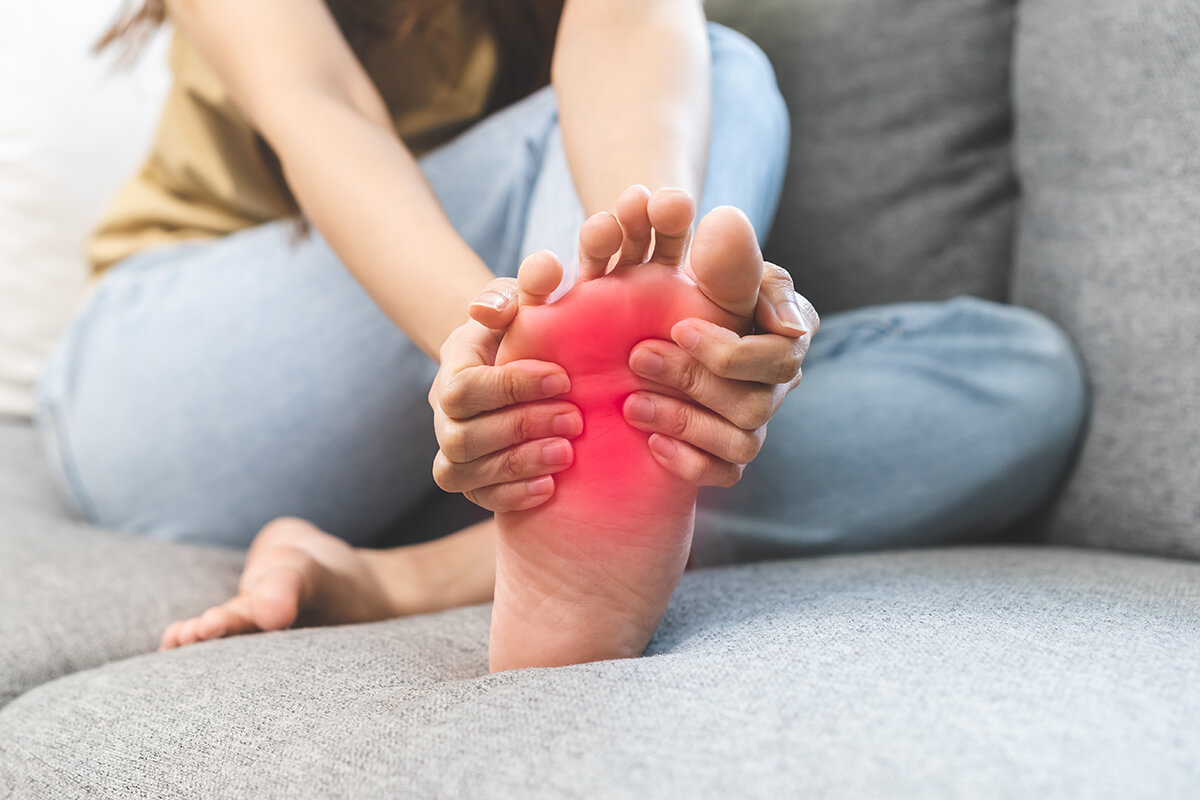
How Daily Habits Influence Foot Health (Quick Overview)
Routine daily behaviors consistently shape the mechanical, vascular, and integumentary integrity of the foot. Clinicians note that repetitive loading patterns, standing duration, People Podiatry and gait deviations alter tendon and joint stress, increasing risk for overuse injury.
Adequate foot hygiene reduces microbial load, limits interdigital maceration, and lowers infection risk in compromised skin. Hydration status and targeted nutritional support—sufficient protein, micronutrients (vitamin D, calcium, zinc), and omega-3 fatty acids—support tissue repair and microvascular health.
Regular skin inspection and prompt management of callus or nail abnormalities prevent escalation. Simple activity modification, scheduled rest intervals, and progressive conditioning mitigate cumulative damage.
Objective monitoring and evidence-based interventions preserve function, enabling individuals to maintain mobility and autonomy without unnecessary restrictions.
Shoes and Socks That Prevent Pain and Deformities
Footwear and sock selection directly modulate the mechanical forces, microenvironment, and tissue responses outlined in prior discussion, thereby influencing pain incidence and structural deformity progression. Appropriate shoes provide a stable heel, adequate toe box volume, and midfoot support to reduce shear and compressive overload; removable supportive insoles allow customization for arch height and pressure redistribution. Socks constructed from breathable materials minimize moisture, friction, and maceration that exacerbate skin breakdown and neuropathic pain.
Clinical evidence supports low-heeled, wide-toe footwear for bunion and hammertoe prevention and cushioned soles for impact attenuation. Fit assessment, periodic reassessment, and replacement based on wear patterns are essential. Choice should prioritize function and autonomy, enabling activity without compromising tissue integrity or promoting progressive deformity.
Daily Movement, Breaks, and Posture Tips for Healthier Feet
Three simple daily habits—periodic movement breaks, targeted stretches, and attention to standing posture—significantly reduce cumulative mechanical load and improve foot tissue resilience.
Evidence indicates that scheduled walking breaks interrupt prolonged loading patterns, redistributing pressure and enhancing circulation.
Incorporating frequent stretches for the calf, plantar fascia, and intrinsic foot muscles before and after static tasks maintains tendon flexibility and limits microtrauma.
Postural alignment—weight centered over the arch, knees slightly soft, hips neutral—minimizes compensatory stresses that propagate distally to toes and heels.
Behavioral cues (timers, position-checks) and workplace adjustments (anti-fatigue mats, footrests) support adherence without restricting activity.
These strategies preserve functional capacity, reduce symptomatic episodes, and enable continued mobility, aligning foot health recommendations with an emphasis on autonomy and sustained freedom of movement.
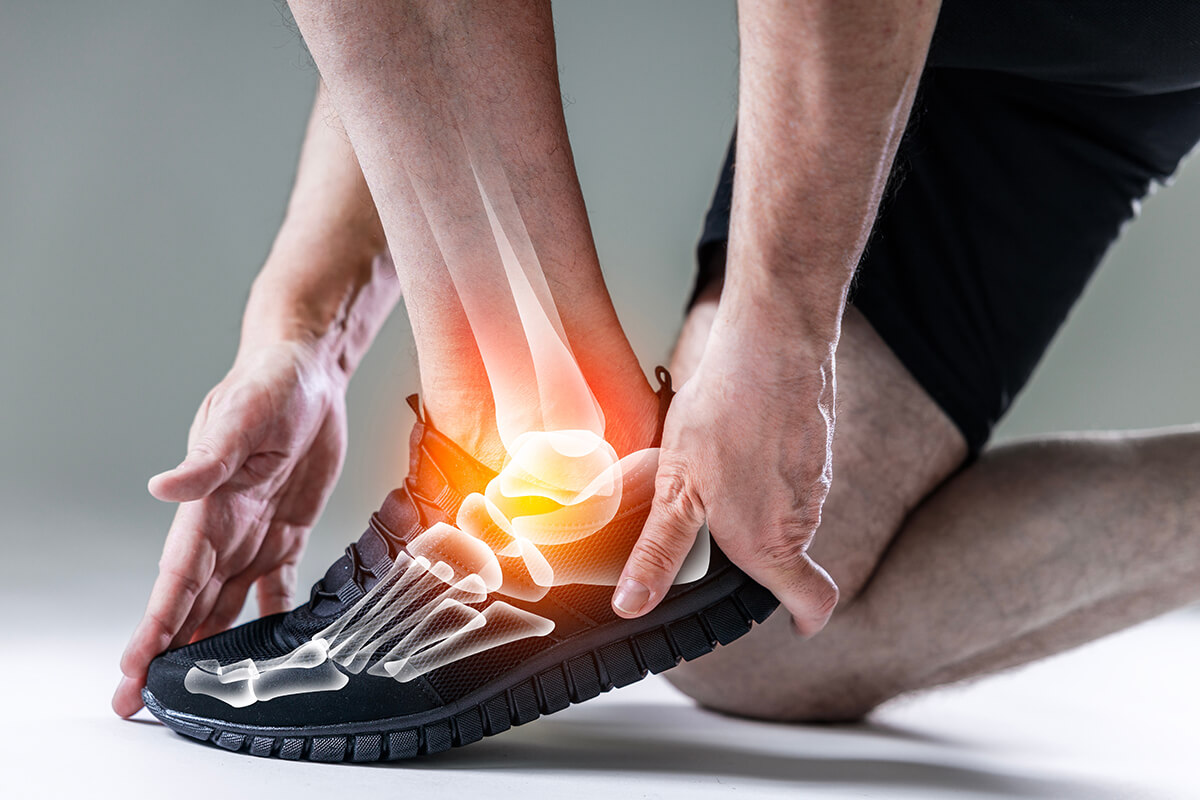
Simple At-Home Foot Care and Strengthening Routines
Several brief, evidence-informed practices can be performed at home to maintain skin integrity, reduce inflammation, and strengthen intrinsic and extrinsic foot muscles.
A daily routine includes controlled toe stretches held 10–30 seconds per digit, repeated 2–3 times, to improve joint mobility and distribute load.
Calf and plantar fascia mobilization using a rolled towel or foam roller for 1–2 minutes reduces tension.
Short sessions of resisted towel curls and marble pickups target intrinsic strength; perform 2 sets of 10–15 reps.
Regular foot massages, focusing on plantar and peroneal regions for 3–5 minutes, promote circulation and reduce localized stiffness.
Consistent application of emollients after gentle exfoliation preserves skin barrier.
Progress is measured by increased range, reduced soreness, and clearer daily function.
When to Change Habits or See a Specialist for Foot Problems
After several weeks of consistent at-home care, objective changes or persistent symptoms should prompt reevaluation of habits and consideration of specialist assessment. Clinicians recommend changing footwear, activity patterns, or orthotic use when persistent pain limits function or fails to improve with conservative measures.
Red flags necessitating specialist referral include sudden swelling, acute deformity, signs of infection, neurovascular compromise, or inability to bear weight. Documentation of symptom progression, response to interventions, and activity logs streamlines decision-making.
For suspected systemic contributors—diabetes, inflammatory disease—early diagnostic testing and urgent evaluation reduce morbidity. Referral pathways should prioritize timely access to podiatry, orthopedics, or vascular services based on clinical findings.
Empowerment through informed choices and prompt escalation preserves mobility and autonomy.
Conclusion
Daily routines materially influence foot health through footwear choices, activity patterns, and self-care. Evidence indicates that supportive, properly sized shoes and moisture-wicking socks reduce load, friction, and deformity risk; regular movement with structured breaks and ergonomic posture optimizes load distribution; and simple at-home care and targeted strengthening mitigate symptoms and improve function. Behavioral modification should precede referral, but persistent pain, structural change, or neurovascular signs warrants specialist assessment for diagnosis and evidence-based intervention.